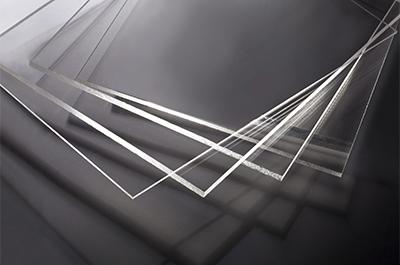

This guide will provide an in-depth analysis of Anti-Glare (AG) and Anti-Reflection (AR) technologies. We explore the entire spectrum of manufacturing—from mechanical embossing and wet spray coating to vacuum deposition—while comparing key performance metrics like fingerprint resistance, clarity, and durability. Whether for automotive displays, medical monitors, or consumer electronics, this guide will help you precisely select the ideal optical surface treatment for your needs."
WHAT is AG (Anti-Glare)
AG stands for Anti-Glare. The primary goal of an AG coating is to deal with "mirror-like" reflections (specular reflection) that make it hard to see the screen in bright environments.
HOW does “AG” made (manufacturing process):
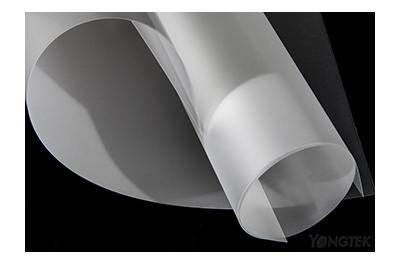
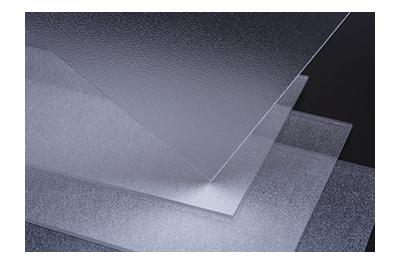
The surface of the glass is Mechanical Embossing or wet spray-coated to create a microscopic rough texture.
In the industry, Mechanical Embossing is a "physical transformation" of the substrate, while Wet Spray Coating is an "additive layer" process.
Comparison of AG Manufacturing Processes
1. Mechanical Embossing (The "Physical" Method)
This involves using a textured master roller to physically "stamp" the pattern into the material while it is still soft or molten.
Process: Extrusion or calendaring where a chilled, textured roller presses the pattern onto the surface.
Material: The AG structure is the same material as the plate/film itself (e.g., pure PMMA, PC, PET film).
Best For: High-volume production of rigid plates or films where cost-efficiency.
2. Wet Spray Coating (The "Additive" Method)
This process involves spraying a liquid solution—consisting of a resin binder, solvent, and micro-particles (like silica or PMMA beads)—onto a finished clear plate.
Process: The liquid is sprayed via nozzles, leveled out, and then cured using UV light or Heat.
Material: A "coating layer" sits on top of the substrate. The "glare reduction" comes from the tiny particles sticking out of the resin.
Best For: Adding AG functionality to materials that cannot be easily embossed (like glass) or for small-batch customized orders.
HOW “AG” works
The Effect: When external light hits the screen, the rough surface scatters the light in many different directions (diffuse reflection).
Pros: It effectively eliminates "hot spots" from light bulbs or the sun. It’s also great at hiding fingerprints.
Cons: Because the surface is slightly rough, it can make the screen look a bit "cloudy" or reduce the sharpness and vividness of the colors.
| Feature | Mechanical Embossing | Wet Spray Coating |
| Mechanism | Physical deformation of the surface. | Addition of a particle-filled resin layer. |
| Durability | Extreme. The texture cannot "peel off" because it is the material itself. |
Moderate. The coating can potentially scratch or delaminate over time. |
| Optical Clarity | Usually higher transparency because there are no foreign particles. | May have a "sparkle" or "grainy" effect due to beads in the coating. |
| Tactile Feel | Consistent, molded texture. | Can feel slightly more "sandpaper-like" depending on particle size. |
| Environmental Impact | Clean. No solvent or chemical emissions. |
High. Involves Volatile Organic Compounds (VOCs) and chemical curing. |
| Flexibility | Limited. You must change the expensive metal roller (mold) to change the pattern. | High. You can change the "Haze" level just by adjusting the liquid formula. |
What is AR (Anti-Reflection)
AR stands for Anti-Reflection. This is a much more sophisticated (and usually more expensive) optical coating.
How AR works:
It uses a process called Optical Interference. Multiple thin layers of metal oxide films are deposited onto the glass surface.
The Effect: These layers are designed so that the light waves reflecting off the front of the coating and the back of the coating "cancel each other out." Instead of scattering the light, it actually allows more light to pass through the glass.
Pros: It significantly increases the transmittance of the screen. Colors look incredibly vibrant, blacks look deeper, and the glass becomes almost "invisible."
Cons: It is very sensitive to oils. A single fingerprint will stand out like a sore thumb because it disrupts the thin-film interference.
| Feature | AG (Anti-Glare) | AR (Anti-Reflection) |
| Principle | Light Scattering (Diffusion) | Wave Interference (Cancellation) |
| Surface Feel | Matte / Slightly Rough | Smooth / Glossy |
| Clarity | Lower (slightly blurry) | High (very sharp) |
| Fingerprint Resistance | Excellent | Poor |
| Typical Use | Laptops, outdoor signage, monitors | High-end TVs, cameras, telescopes. |
Can AG and AR be combined on the same plate/sheet?
Yes, absolutely. This is often referred to as an AG + AR solution.
In high-end displays (like medical monitors or premium automotive dashboards), manufacturers apply both treatments to get the best of both worlds:
The AG layer is used to prevent the sharp, "mirror" reflection of the user's face or background lights.
The AR layer is added to ensure that despite the AG treatment, the screen remains bright and the colors stay punchy.
You get a screen that doesn't have distracting reflections but still maintains high contrast and clarity. However, this is the most expensive option because it requires both surface embossing /spraying and vacuum deposition coating.
How these AG/AR plate or sheet or film can be applied to what products or what industries ?
What is AG (Anti-Glare) Applications?
Focus: Environments with heavy overhead lighting or outdoor sunlight where fingerprints are a concern.
Industrial & Outdoor Displays: Outdoor kiosks, ATMs, and gas station pumps. The matte finish ensures the screen is readable even under direct sunlight.
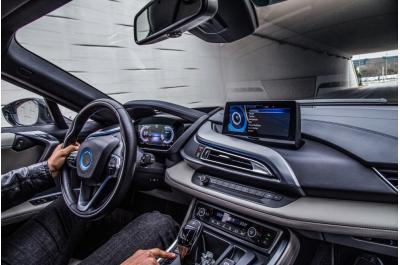
Automotive Control Panels: Traditional car dashboards and center consoles. It reduces the blinding glare of the sun while driving.
Consumer Electronics: E-readers (like the Kindle) to mimic the texture and readability of paper.
What is AR (Anti-Reflection) Applications?
Focus: High-end optics where color accuracy, "true blacks," and maximum light transmission are critical.
High-End Consumer Electronics: Premium TV screens (OLEDs), high-end tablets (like the iPad Pro), and smartphone camera covers.
Museum & Retail Displays: Luxury jewelry showcases or museum artifact glass. The goal is to make the glass "disappear" so the viewer sees the object perfectly.
Medical Imaging: High-resolution diagnostic monitors where doctors need to see every tiny detail in an X-ray or MRI without interference.
Where does AG + AR (Combined) Applications?
Focus: Professional-grade equipment that demands both high clarity and glare reduction.
Automotive "Cockpit" Displays: Modern electric vehicles (EVs) with massive glass dashboards. These need to be crystal clear (AR) but also safe from sun glare (AG).
Military & Aviation: Cockpit displays for fighter jets and commercial planes. Pilots need absolute clarity (AR) while dealing with the intense, unfiltered sunlight at high altitudes (AG).
Marine Electronics: GPS and sonar displays for boats and yachts, where the reflection of the water and the sun is extremely high.
| Industry | Primary Requirement | Preferred Solution |
| Consumer Electronics | Cost-effectiveness & Fingerprint resistance | AG |
| Medical & Science device / Mobile Phone | Extreme Precision & Color Accuracy | AR |
| Automotive / Aerospace / Marine electronics | Safety, Durability & Visibility | AG+AR |
| Retail / Museums | Invisible Protection | AR |