
What Is a Light Guide Plate (LGP)?
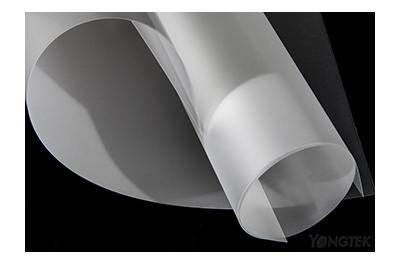
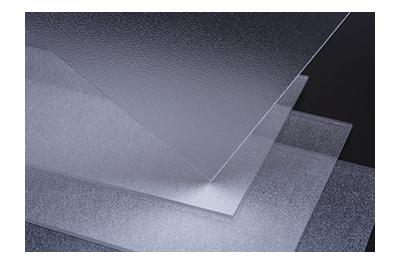
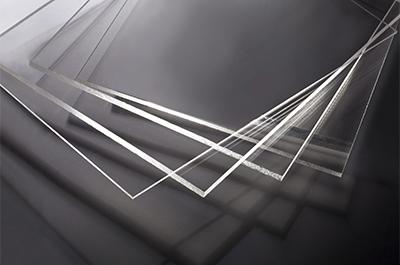
A Light Guide Plate (LGP)is an optical component designed to convert a side-mounted light source into a uniform surface light source.The working principle is based on micro light-guiding structures distributed across the surface of an acrylic (PMMA) or polystyrene (PS) sheet. These micro patterns are typically created through screen printing or laser processing.
When LED strips are installed along the edge of the plate, light travels through the internal structure of the sheet and is reflected by the micro-patterns. This allows the light to be emitted evenly from the front surface of the plate, producing a uniform illumination effect.
Light guide plates are widely used in various industries and applications, including:
*LED panel lighting
*LED advertising light boxes
*LED emergency exit signage
*Commercial display signage
*Backlight modules for electronic products
*Machine vision backlight systems
*Illuminated electronic products
*Automotive LED welcome scuff plates
*Illuminated logos、nameplates
What Are the Common Sizes and Specifications of Light Guide Plates?
The size of a light guide plate varies depending on the intended application.Typical standard sizes used in lighting applications include:
300 × 300 mm
300 × 600 mm
300 × 1200 mm
600 × 600 mm
600 × 1200 mm
The most common thickness range is 2 mm ~ 4 mm
For large display or advertising applications, light guide plates can be manufactured in larger sizes, such as:
900 × 900 mm
1200 × 1800 mm
Maximum sizes can reach up to: 2000 × 3000 mm
Large size light guide plates are typically used for:
*Large lighting fixtures
*LED advertising light boxes
*Commercial display signage
For other applications, the size is usually customized according to the equipment or product design, such as:
*Machine vision lighting systems
*Industrial equipment auxiliary lighting
*Illuminated nameplates
*Illuminated logos
What Are the Main Manufacturing Processes for Light Guide Plates?
There are three main manufacturing processes commonly used for light guide plates. Each process has its own advantages and limitations.1. Screen Printing Light Guide Plate (LGP)
Also known as printed light guide plates, this method uses screen printing technology to apply light-guiding dot patterns onto the surface of the sheet.
These printed micro patterns allow light to be evenly reflected and distributed across the surface.
-Advantages of screen printing LGP:
Lower production cost
High manufacturing efficiency
Suitable for mass production
-Limitations of screen printing LGP:
Printing screens have a limited lifespan
Typical applications:
LED panel lights and standardized lighting modules
2. Laser Light Guide Plate
Also called laser-etched light guide plates, this method uses laser equipment to engrave micro light-guiding dots onto the plate surface.
One of the key advantages of this method is that no mold is required, allowing for flexible customization.
-Advantages of Laser LGP:
-No mold cost required
-Highly flexible for customization
-Suitable for large-size panels
-Limitations of Laser LGP:
Lower production efficiency compared with printing or hot embossing
-Typical applications:
LED advertising light boxes and large size display signages
3. Micro-structured Light Guide Plate
Also referred to as non-printing light guide plates, this process involves engraving the micro light-guiding structures onto a precision mold. The pattern is then transferred onto the plate surface through a hot embossing process.
Advantages of micro-structured LGP:
-Stable optical performance
-High production efficiency
-Ideal for long-term mass production
Limitations of micro-structured LGP:
-High initial mold development cost
-Fixed light entry design
Typical applications:
LED lighting products and standardized light guide plates
How Do You Choose the Right Light Guide Plate Manufacturing Process?
Different applications require different manufacturing processes.In general, screen printing and non-printing processes require mold development, making them suitable for fixed sizes and large-volume production, such as LED panel lighting.
However, if your product requires:
-Multiple size variations
-Smaller order quantities
-Larger panel sizes
Then a laser light guide plate is usually the better solution.
Because laser processing does not require mold development, it can quickly accommodate customized sizes and designs. This makes it especially suitable for LED advertising light boxes and large-size illuminated displays.
How to Choose a Reliable Light Guide Plate Manufacturer?
When selecting a light guide plate manufacturer, several key factors should be considered.1. Optical Design Capability
A strong manufacturer should have professional optical pattern design expertise. The distribution of light-guiding dots must be carefully designed according to the LED strip layout in order to achieve optimal brightness uniformity and efficiency.
2. Material Quality
High-quality light guide plates typically use optical-grade PMMA (acrylic) because of its superior light transmission, optical stability, and long-term durability.
In recent years, PS material has also become widely accepted due to cost considerations. However, PS plates are generally recommended for indoor applications without direct sunlight, as exposure to UV or heat may cause yellowing over time and reduce performance.
3. Manufacturing Capabilities
LGP Manufacturers that support multiple production processes such as printing, laser, and hot embossing can provide the most suitable solution for different product requirements.
4. Customization Capability
Different applications require different sizes, brightness levels, and optical structures. A manufacturer with strong customization capability can provide more precise and optimized designs.
5: Large Panel Processing Capability
For applications such as LED advertising light boxes and large display signage, the ability to manufacture large-size light guide plates is an important consideration.
Yongtek offers professional light guide plate manufacturing with extensive mass production experience. Feel free to contact us to discuss your project.
How to Improve Light Guide Plate Performance?
The lighting performance of a light guide platedepends not only on the LED strips but also on the design and manufacturing quality of the plate itself.Key factors that influence performance include:
-Light-guiding dot pattern design
-LED strip configuration
-Material quality
-Manufacturing precision
LGP Manufacturers with strong optical design capability can optimize the micro-pattern distribution to achieve better light uniformity and higher efficiency while also reducing the number of LEDs required.
How to Fix Light Uniformity Issues?
If uneven brightness or visible light spots appear after illumination, the issue is usually related to one of the following factors:-Poor material quality
-Improper light-guiding pattern design
-Incorrect LED strip configuration
Light guide plate uniformity and efficiency are mainly determined by material quality and optical pattern design.
Professional manufacturers will optimize the dot pattern according to the customer’s LED configuration to achieve better illumination results.
FAQ – Frequently Asked Questions
Q1: Do light guide plates always need to be made from acrylic?
Most light guide plates are made from optical-grade PMMA (acrylic) because it provides excellent light transmission, stable optical performance, and long service life.
PS materials are also widely used due to cost advantages. However, PS plates may yellow when exposed to sunlight or heat, so they are generally recommended for indoor applications without direct sunlight.
For certain special requirements such as flame resistance, PC (polycarbonate) materials may also be used.
Q2: Do your PS light guide plates turn yellow easily?
Yongtek PS light guide plates are manufactured using high-quality PS raw materials with added UV stabilizers, which significantly improves resistance to yellowing compared with standard PS plates.
However, we still recommend avoiding direct sunlight or outdoor exposure.
Q3: What light guide plate options do you offer?
Yongtek typically provides PMMA and PS light guide plates with standard thicknesses ranging from 2 mm to 4 mm, and custom sizes are available upon request.
Please share your application, optical requirements, and estimated quantity, and our team will recommend the most suitable solution.
Which is better: laser LGP or printed LGP?
Ans: Laser light guide plates are ideal for custom sizes and smaller production volumes, while printed light guide plates are better suited for fixed sizes and large-scale mass production.
You can choose based on your project requirements, or contact Yongtek for professional recommendations.
Q5: How can I improve poor light uniformity?
Light uniformity can be improved by:
Optimizing the dot pattern design
Using optical-grade materials
Adjusting the LED strip layout
Q7: What is the thin white strip attached to the side of the light guide plate?
This is a light reflective tape or light reflective film applied to the non-light-entry sides of the plate. It reflects escaping light back into the plate, reducing light loss and improving overall efficiency.
Q8: I opened Edge-lit module and found two white sheets besides the LGP. What are they?
They are typically a diffuser plate and a reflective sheet. Together with the light guide plate(LGP), they form a common three-layer optical structure.
The led diffuser plate helps soften the light and hide LED hot spots.
The light reflective film redirects light back toward the front surface to improve efficiency.
Q9: Can I purchase the full optical set from Yongtek?
Yes. Yongtek provides light diffuser plates, light reflective films, and light guide plates available in different materials and transmission options.
You can provide the required dimensions, drawings, and quantity, and we will assist with production.
Contact Yongtek for Light Guide Plate Solutions
We hope this guide helps you better understand light guide plates and their applications.
If you have any questions or project requirements related to light guide plates, feel free to contact Yongtek or email to sales@yongtek.com, a professional light guide plate manufacturer based in Taiwan.